Introduction
In the fast-paced world of graphic design, having the right tools can mean the difference between a seamless creative workflow and a frustrating, sluggish experience. As graphic designers, our computers are our digital canvases, and the components that power them play a crucial role in shaping our productivity and the quality of our work.
Whether you’re a seasoned professional or an aspiring designer, building a powerful and efficient graphic design rig is an investment that can pay dividends in the long run. From lightning-fast rendering times to easily handling complex 3D models and high-resolution textures, a well-built system can elevate your creative potential and streamline your workflow.
This blog post will discuss the best CPUs, GPUs, and other components needed to build a powerful and efficient graphic design rig.
CPUs for Graphic Design
- Intel Core i9-13900K: Intel’s latest flagship CPU offers excellent performance for graphic design tasks, thanks to its 24 cores (8 Performance and 16 Efficient cores) and boost clock speeds of up to 5.8 GHz. It’s a powerhouse for handling demanding applications like Adobe Creative Cloud.
- AMD Ryzen 9 7950X: AMD’s top-of-the-line processor is a formidable choice for graphic designers. With 16 cores, 32 threads, and boost clock speeds up to 5.7 GHz, it delivers exceptional multi-threaded performance, making it ideal for demanding tasks like video editing and 3D rendering.
GPUs for Graphic Design
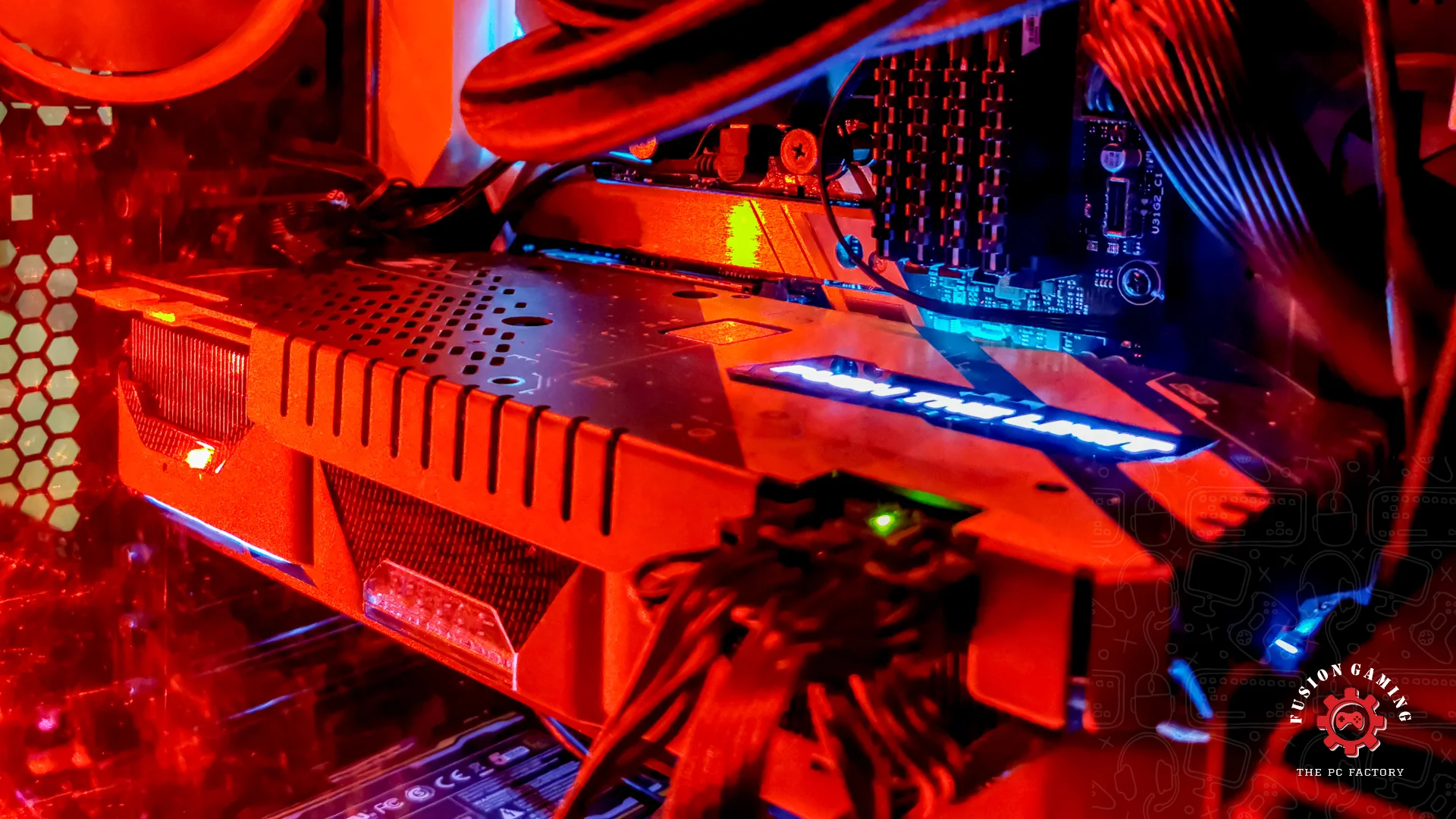
- NVIDIA GeForce RTX 4090: If you’re looking for the ultimate GPU for graphic design, the RTX 4090 is a top contender. With its 24GB of VRAM and advanced features like NVIDIA Studio Drivers, this GPU excels at handling complex 3D models, high-resolution textures, and real-time rendering.
- AMD Radeon RX 7900 XT: AMD’s latest flagship GPU offers excellent performance and value for graphic designers. With 20GB of VRAM and advanced features like AMD Radeon Pro Render, it’s a solid choice for various graphic design tasks, from photo editing to 3D modeling.
Other Essential Components
- High-Resolution Monitor: A high-quality monitor with an IPS panel, accurate color reproduction, and a resolution of at least 4K (3840 x 2160) is essential for graphic design work. Look for monitors with wide color gamuts and support for HDR.
- Solid-State Drive (SSD): Invest in a fast NVMe SSD with ample storage capacity to ensure quick loading times for your applications and projects. A 1TB or larger SSD is recommended for most graphic design workflows.
- Ample RAM: Graphic design applications can be memory-intensive, so having plenty of RAM is crucial. Aim for at least 32GB of high-speed DDR5 RAM, or consider 64GB for even smoother performance with large files and multiple applications open simultaneously.
- Reliable Power Supply: Don’t skimp on the power supply unit (PSU). Look for a high-quality, fully modular PSU from reputable brands like EVGA, Corsair, or SeaSonic, with enough wattage to handle your system’s components and leave some headroom for future upgrades.
- Ergonomic Peripherals: Investing in a comfortable keyboard, mouse, and graphics tablet can significantly improve your workflow and reduce strain during long design sessions.
Remember, building a powerful graphic design rig is an investment, but it can pay off in terms of increased productivity, smoother workflows, and the ability to handle even the most demanding projects with ease. Happy designing!